
Iron Removal Plant for Apartment
An Iron Removal Plant (IRP) for an apartment is a specialized water filtration system designed to remove dissolved and suspended iron from groundwater. High iron levels in apartment water can cause reddish-brown stains on bathroom fixtures, a metallic taste in drinking water, and damage to plumbing and appliances.
What is an Iron Removal Plant?
An Iron Removal Plant is a filtration system designed to extract dissolved and suspended iron from groundwater. Unlike standard sediment filters, an IRP uses a process called oxidation to turn invisible, dissolved iron into solid particles, which are then trapped by specialized filter media like Birm or Manganese Greensand.
Types of Systems for Apartments
For multi-story buildings and flats, systems are typically categorized by their capacity and installation method:
-
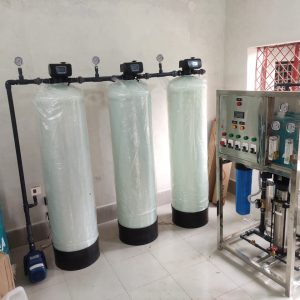
- Whole-House / Apartment Building Plants: These are high-capacity systems installed after the main pump to treat all water before it enters the overhead storage tank. They often use large FRP (Fiber Reinforced Plastic) vessels for durability.
- Compact / Individual Flat Filters: Smaller, space-saving units designed for single apartments or specific use cases like washing machines.
- Automatic vs. Manual Systems:
- Automatic: Use multi-port valves for self-cleaning (backwashing) without manual intervention.
- Manual: Require periodic manual operation of valves to flush out trapped iron particles.
Why Your Apartment Needs an IRP
Safeguard Your Pipes and Appliances: Iron deposits quietly damage your plumbing system over time. They build up inside pipes, restricting water flow and lowering pressure. At the same time, costly appliances like washing machines, geysers, and dishwashers can wear out faster due to iron accumulation inside their components.
Eliminate Tough Stains Easily: Those stubborn reddish-brown marks on sinks, toilets, and even premium marble floors are caused by oxidized iron. An IRP removes iron before it reaches your home, helping you avoid these stains and reducing the need for strong cleaning chemicals.
Improve Skin and Hair Health: Excess iron in water can remove natural moisture from your skin and hair, causing dryness, irritation, and potential hair loss. Using filtered water provides a softer and healthier bathing experience.
Enhance Water Taste and Quality: Iron-contaminated water often has a metallic taste and unpleasant odor. Removing iron improves the flavor of your water, making it better for cooking and supporting the performance of your kitchen RO purifier.
How it Works
The process generally involves converting dissolved iron into solid particles so they can be physically filtered out:
Oxidation: Raw water is exposed to air (aeration) or chemicals (like chlorine or potassium permanganate) to turn soluble iron into insoluble rust particles.
Filtration: The water passes through specialized media such as Manganese Zeolite, Birm, or Greensand which trap the solid iron particles.
Backwashing: Periodically, the flow is reversed to flush out the accumulated iron and clean the filter media.
Key Benefits for Apartment Residents
Protects Infrastructure: Prevents iron scale buildup and corrosion in pipes and water heaters.
Hygiene & Aesthetics: Eliminates stubborn orange/brown stains on tiles, basins, and laundry.
Improved Water Quality: Removes the metallic smell and taste, making water better for bathing and cooking.
Complements Other Systems: Can be used as a pre-filter for Reverse Osmosis (RO) systems to prevent membrane fouling.
Selecting a System
When choosing a plant, consider the iron concentration (measured in PPM) and the peak water demand of the apartment building. Professional suppliers like BD Water Purifier or City Water Purifier often provide customized designs based on site-specific water tests.


Reviews
There are no reviews yet.